ESPAÑOL


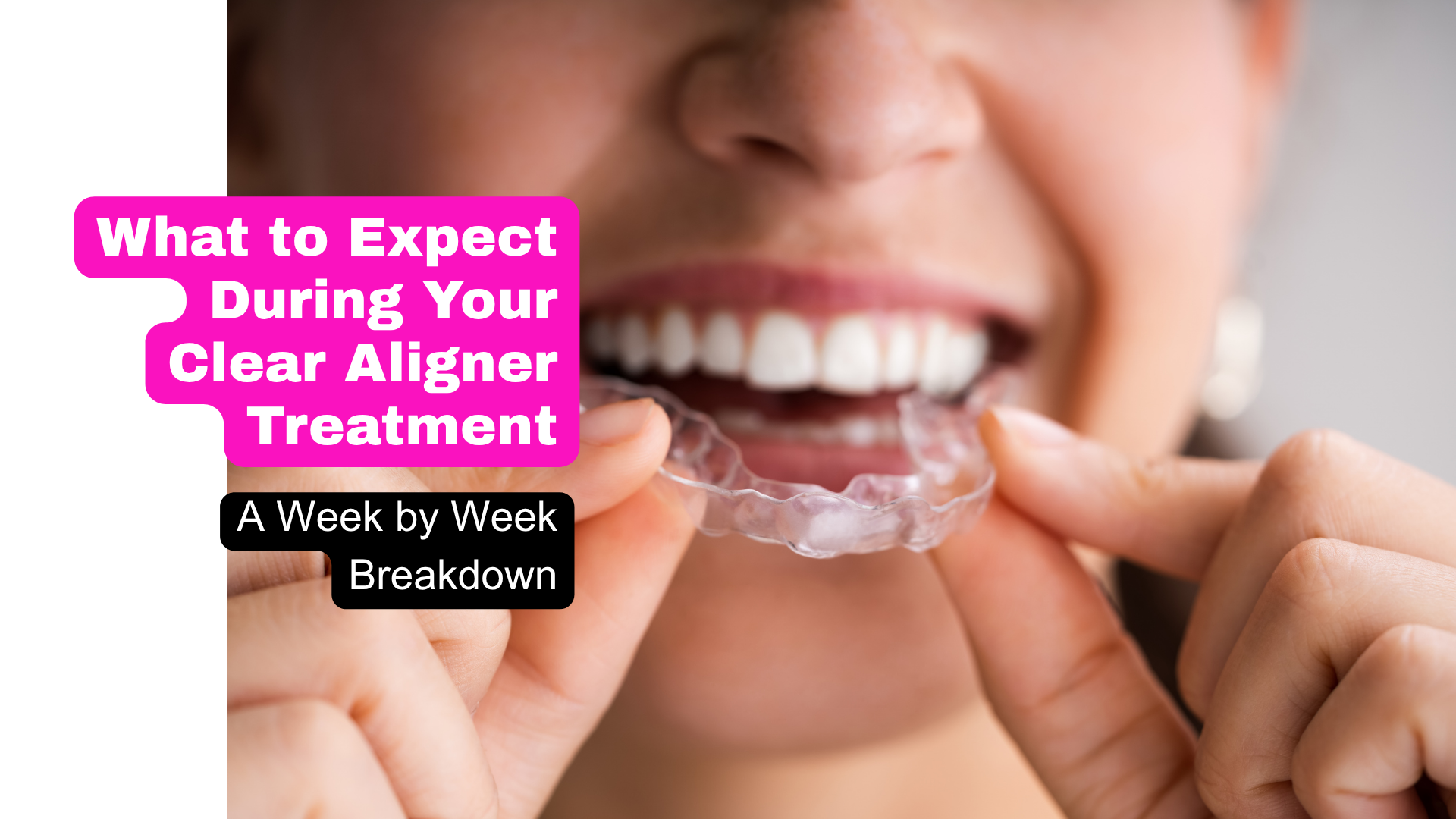
What to Expect Week by Week During Your Clear Aligner Treatment
Common Questions - 07/10/2026
Keywords: clear aligner treatment week by week, what to expect clear aligners month by month, clear aligner journey timeline, first week clear aligners experience, clear aligner progress stages
One of the most common questions people have before starting clear aligner treatment is simply: what is this actually going to be like? Not the marketing version the real, day-to-day experience from unboxing the impression kit to wearing the final retainer. Knowing what to expect at each stage makes the process dramatically less intimidating and helps you stay on track when something unfamiliar happens.
Here is an honest, stage-by-stage guide to the full Smiles.club treatment journey.
Before Treatment Begins: The Impression Kit
Week 0: Your Kit Arrives
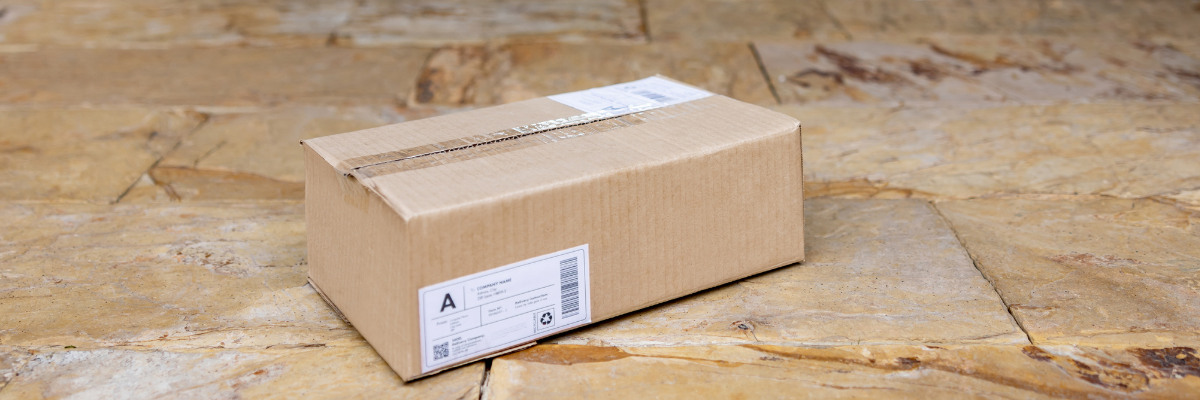
After purchasing your treatment, your at-home dental impression kit is mailed directly to you. The kit includes everything you need: impression trays in multiple sizes, dental putty, a pre-paid return shipping label, and step-by-step instructions. Most patients complete their impressions within the first week of receiving the kit. The process takes about 15 to 20 minutes from start to finish and is much simpler than it sounds. Our blog post on how to take a great impression walks through every step.
Once your impressions are mailed back, our doctors reviews your case. If you are not a candidate for any reason, you receive a full refund at this stage. If you are a candidate, your custom treatment plan and aligner series are fabricated a process that typically takes two to four weeks.
The First Month: Adjustment and Awareness
Week 1: Your Aligners Arrive
Opening the box for the first time is genuinely exciting. You will find your full series of numbered aligner sets, your treatment instructions, and your final retainer. Insert your first set of aligners and wear them that day. Expect the first 24 to 48 hours to bring a noticeable tight sensation and mild pressure this is your teeth beginning to respond. Most patients find the first tray set the most pronounced in terms of adjustment, and subsequent trays feel easier as your mouth acclimates to the process.
Week 2: Finding Your Rhythm
By the end of the first week, most patients have settled into the routine: aligners in immediately after waking, out for meals, brush before reinserting, and back in throughout the evening. The second week of your first tray should feel significantly more comfortable than the first. You are also approaching your first tray change if you switch your first set on schedule (typically at the end of week one or two as your plan specifies), expect a brief return of mild pressure as the new tray begins its work.
Week 3–4: Establishing Habits
By weeks three and four, aligner wear has typically become automatic. You stop thinking about it consciously. The routine of removing for meals and reinserting afterward is habitual. Many patients report that by the end of the first month, they forget they are wearing aligners for long stretches of the day. This is the new normal, and it is a comfortable one for most people.
Months 2–4: Visible Progress
This is the phase where treatment becomes genuinely exciting. Around months two to three, most patients begin to notice visible changes in tooth position, particularly in the front teeth. Gaps narrow. Crowding begins to resolve. The teeth look and feel different in a way that is noticeable not just in the mirror but in how you feel about smiling.
Tray changes become routine and comfortable. The pressure of a new tray feels familiar and almost reassuring you know it means movement is happening. Progress photographs taken at the end of month one and compared to month three reveal changes that are often striking.

Months 4–6: The Home Stretch (for Most Cases)
For mild to moderate cases which represent the majority of Smiles.club patients this period often encompasses the final stages of active treatment. Your teeth are approaching their target positions, and the changes per tray become more subtle but no less important. Consistency in wear time matters as much in the final stages as it did in the beginning the last few millimeters of movement are just as dependent on proper aligner contact as the first.
Toward the end of this phase, you will be preparing to transition to your retainer. The retainer holds your teeth in their new positions while the bone around each tooth fully stabilizes. This stabilization is what makes your results permanent.
The Retainer Phase: Protecting Your Results
Immediately After Active Treatment
Your final retainer is included with your Smiles.club treatment. At the end of your active aligner series, transition directly to your retainer. For the first several months, most orthodontists recommend wearing the retainer full-time or close to it, then transitioning to nights-only wear as the teeth fully stabilize.
Long-Term Retainer Wear
Teeth have a natural tendency to shift throughout life, regardless of whether you have had orthodontic treatment. The retainer is not a temporary accessory it is the tool that preserves your results over the long term. Most orthodontists recommend wearing a retainer nightly indefinitely, replacing it when it shows significant wear. Smiles.club can provide replacement retainers as needed.
The Bottom Line
Clear aligner treatment is a journey with a beginning, middle, and end. The beginning involves some adjustment. The middle brings visible progress. The end delivers the smile you have been working toward and then a simple nightly retainer habit keeps it there. Most patients find that when they look back at the process after completing treatment, it was far more manageable than they anticipated. The result is absolutely worth the commitment.
Categories

Recent Posts
High quality invisible aligners at an affordable price. Discover our easy teeth straightening orthodontic solution from home. Made in the USA! ¡Hablamos Español!
Sonrisas LLC © 2026. All Rights Reserved
Social
Sonrisas LLC © 2026. All Rights Reserved
Cart
Summary
Coupon/Promo Code
Subtotal
$0.00
Tax
$0.00
Shipping
FREE!
Total
$0.00
Need FINANCING?
No Problem!

As low as $70/month*
*select affirm at checkout to see rates and offers.

As low as $169/month*
*select afterpay at checkout to see rates and offers.